Send us message to learn more about InnoHK
CONTACT US
Stem Cell
Centre for Translational Stem Cell Biology
Advancing Stem-Cell Technologies in Regenerative and Genomic Medicine

Hong Kong is a ‘meeting point’ for global tech-savvy talent. Its close proximity to cities in the Greater Bay Area makes it the ideal location for advanced stem cell research. At CTSCB, we aim to develop world-leading new technologies and products that address unmet clinical needs in regenerative medicine, organ transplantation, and genomic medicine, which will place Hong Kong at the global forefront in innovation and technology development.
Professor Pengtao Liu
Managing Director of CTSCB,
S Y and H Y Cheng Professor in Stem Cell Biology and Regenerative Medicine, LKS Faculty of Medicine, The University of Hong Kong
Advancing Stem-Cell Technologies in Regenerative and Precision Medicine
Stem cell technology offers immense potential in regenerative medicine, precision medicine and drug discovery. By replicating complex human organs in vitro and developing advanced cell therapies, it enables personalized treatments for challenging diseases.
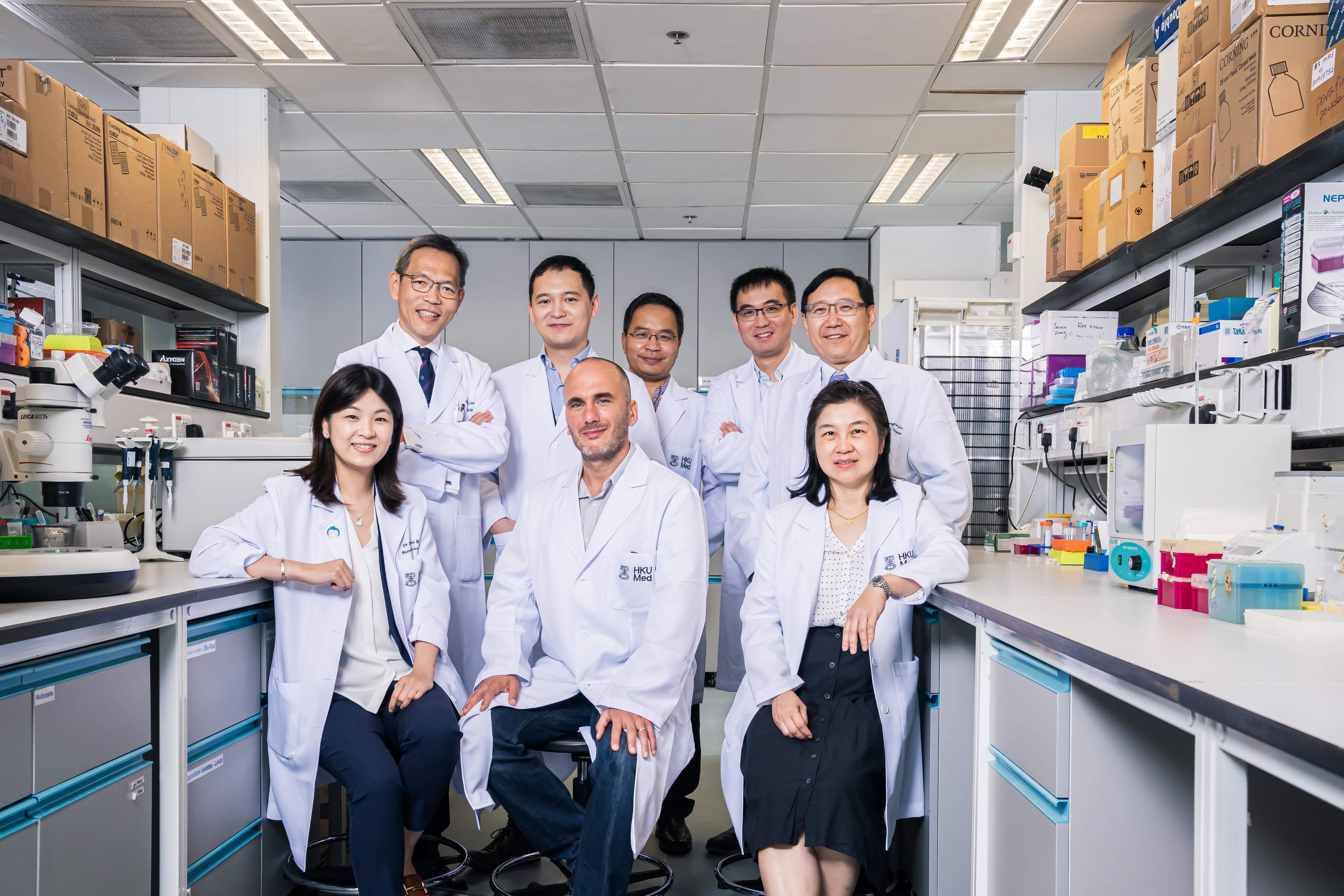
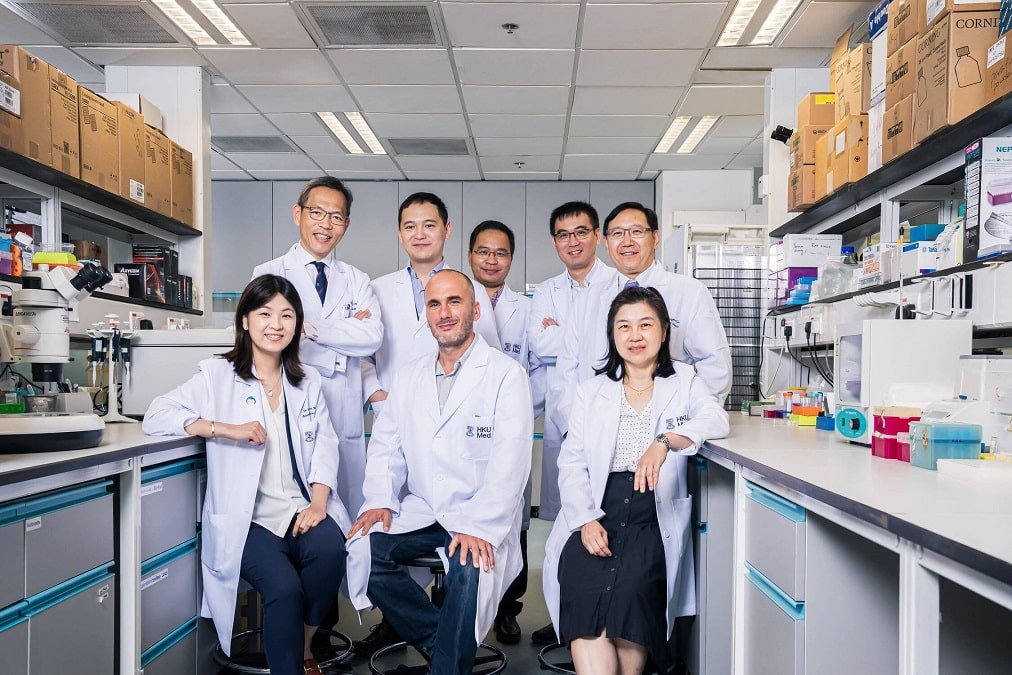
CTSCB Programme Leaders (Hong Kong)
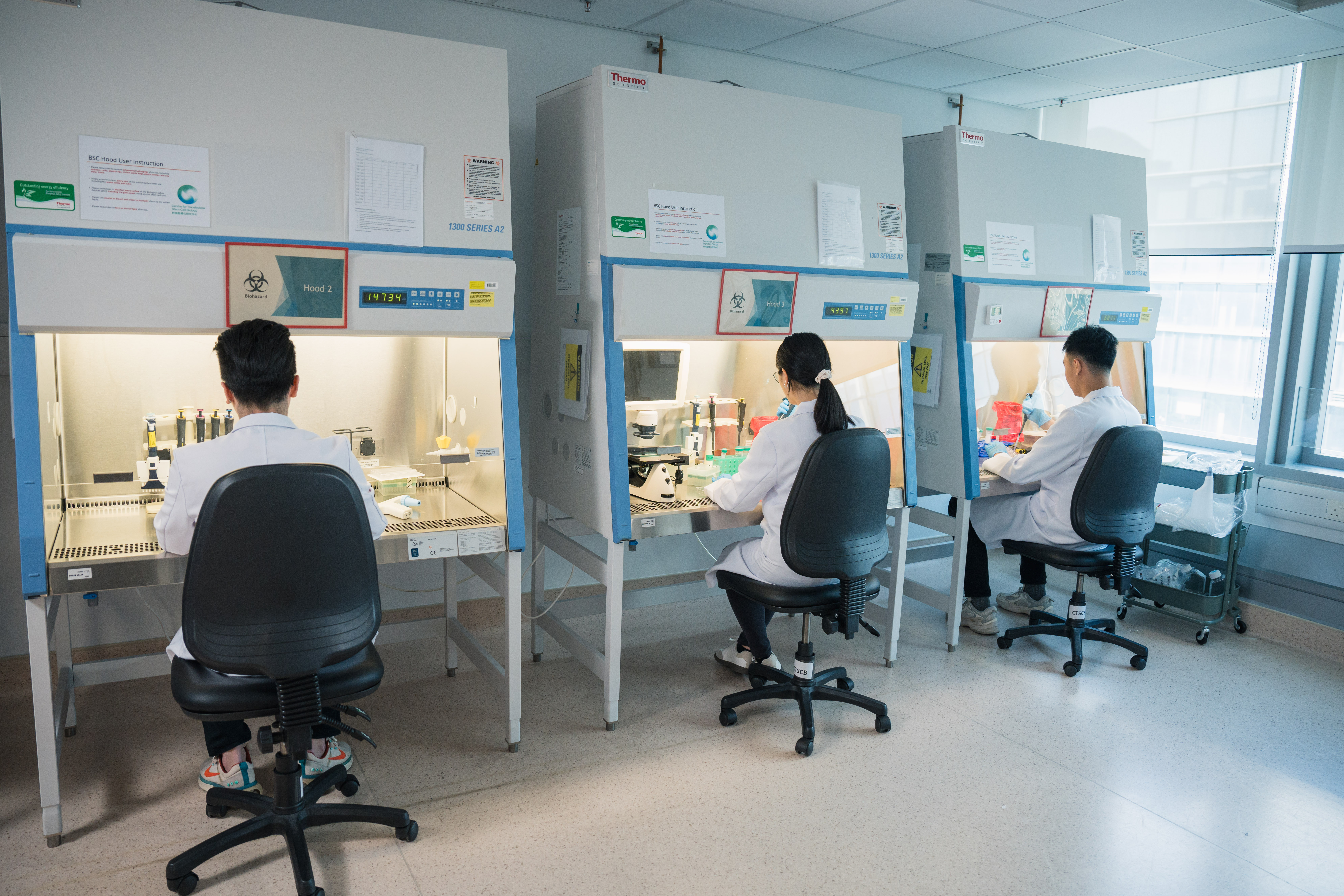
Advanced BSL2 standard cell culture facilities: Ensuring a secure, sterile, and precision-controlled environment for stem cell handling
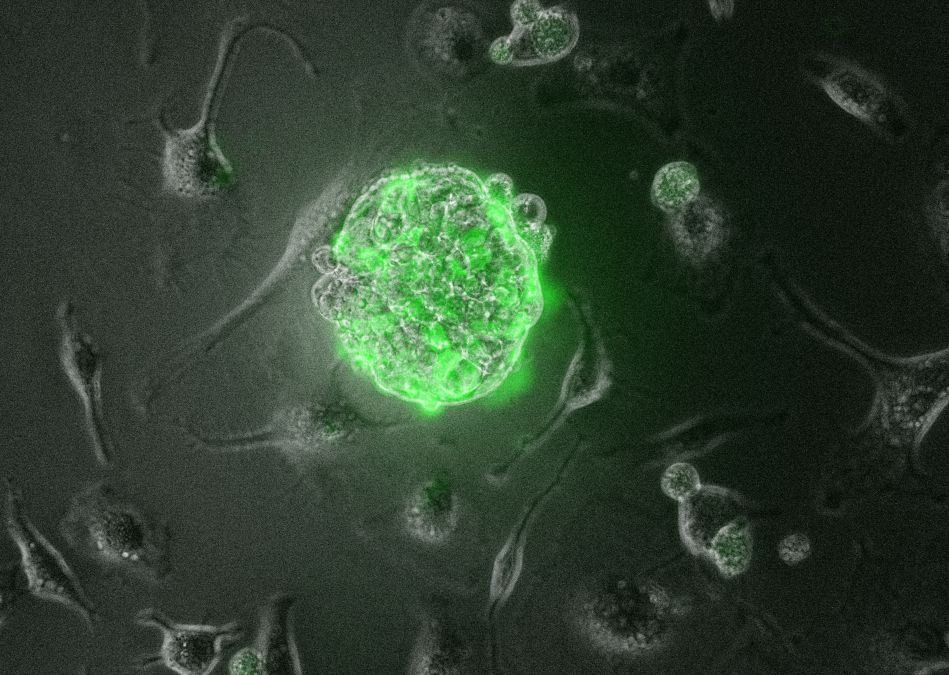
Stem cell breakthroughs offer new avenues for advancing research into embryonic development, regenerative medicine, biotechnology and agriculture - A representative image of an induced EPSC colony reprogrammed from a healthy donor, marked by Tra-1-60 (indicated with green colour, human pluripotency marker)
Centre for Translational Stem Cell Biology (CTSCB) is committed to translating stem cell research breakthroughs into impactful health solutions. Using proprietary technologies, we have developed "Expanded Potential Stem Cells (EPSCs)" to create disease models, diagnostic approaches, and therapeutics. This technology accelerates drug development, supports more effective personalized treatments, and improves the predictability of clinical outcomes.
CTSCB brings together multidisciplinary experts to advance three key clinical areas, supporting Hong Kong’s development as a global hub for stem cell innovation and technology:
Intelligent Drug Screens: Utilizing stem cell platforms that accurately replicate human biology to evaluate drug efficacy and predict toxicity, improving the efficiency and safety of drug development.
Precision Medicine: Employing advanced cell reprogramming technology to construct patient-derived tissues and organoid models from minimal blood samples. These models facilitate drug screening, minimizing the trial-and-error process associated with clinical prescribing.
Next-Generation Cell Therapy: Leveraging our proprietary EPSC technology to develop scalable, safe, and accessible cell products, providing cost-effective therapies for difficult-to-treat conditions.
Research Impact and Applications
Centre for Translational Stem Cell Biology (CTSCB) continuously translates stem cell discoveries into clinical applications and healthcare solutions: its key innovation is a drug-screening platform that replicates human biological traits. This advanced system integrates the human organoid platform with an artificial intelligence (AI) analytical framework to evaluate the safety and efficacy of antiviral drugs, and to quantitatively screen candidate anti-aging compounds, reducing R&D timelines for clinical treatments for flu and respiratory infection and longevity solutions.
CTSCB also applies these intelligent drug screening capabilities to personalized treatment. Previously, patients with rare immunodeficiencies, such as STAT1 gain-of-function disease (which is a condition where the immune system’s signaling protein called STAT1 becomes overly active, leading to immune system problems) had limited treatment options and faced high-risk trial-and-error treatments. The team uses innovative cell reprogramming, which involves transforming blood cells into versatile stem cells that can develop into different types of cells, to construct personalized stem cell models that serve as surrogates for patient testing across various drug combinations. CTSCB has identified effective therapies from existing safe drug libraries for patients with rare diseases at Queen Mary Hospital, thereby reducing the trial-and-error approach to treatment. For example, a patient who received a screened drug returned to normal life and experienced no side effects for over a year. This technology is now being expanded to address other challenging conditions, including autoimmune disorders such as systemic lupus erythematosus (SLE), which is a disease where the immune system mistakenly attacks the body’s own tissues and organs.
In addition to drug screening and diagnostics, CTSCB is advancing next-generation cell therapy. During Phase 1 of InnoHK, CTSCB developed targeted immunotherapy for solid tumours, focusing on liver cancer. This technology aims to improve immune cells’ ability to target and penetrate the tumour’s supportive tissue (called tumour stroma) which is the network of connective tissue and blood vessels that surrounds and sustains the tumour, so they can better eliminate cancer cells, while enabling scalable production for more accessible and affordable therapies.
Driven by clinical efficacy, CTSCB achieves milestones across all stages to shorten drug R&D timelines, enhance clinical safety, and deliver validated next-generation healthcare solutions to patients worldwide.
Project team members
-
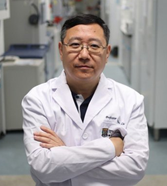 Professor Pengtao Liu
Centre Director
-
CTSCBCTSCB
-
In this project
You may also like
Neuromusculoskeletal
Center for Neuromusculoskeletal Restorative Medicine (CNRM)
OUR TEAM
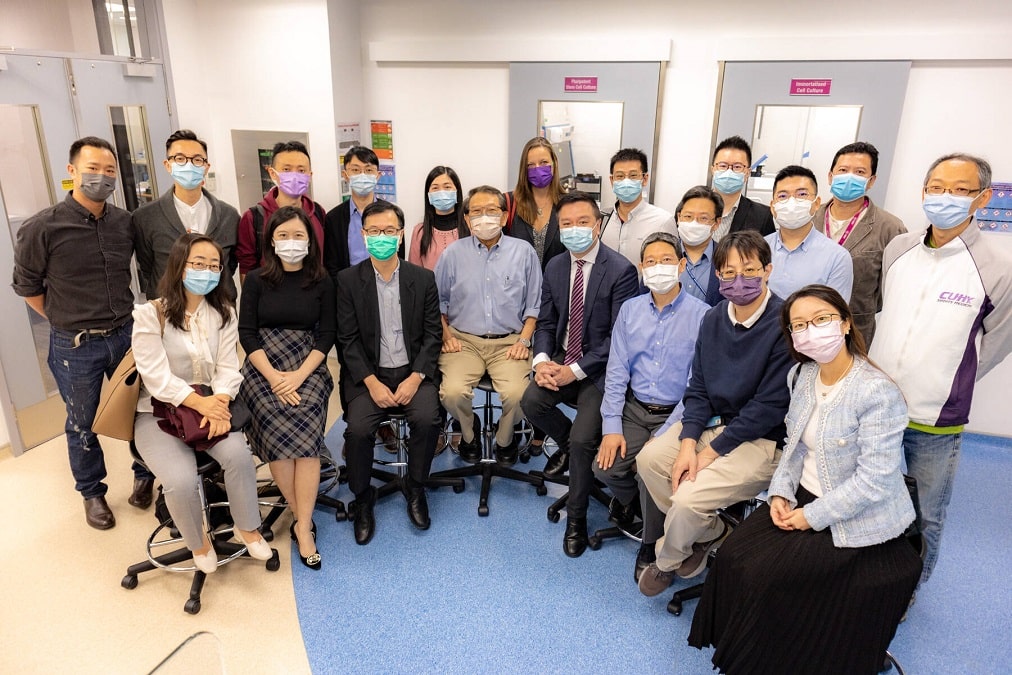
Professor Patrick Yung, Professor Woody Chan
Biomedical
Centre for Regenerative Medicine and Health, Hong Kong Institute of Science & Innovation, Chinese Academy of Sciences
OUR TEAM
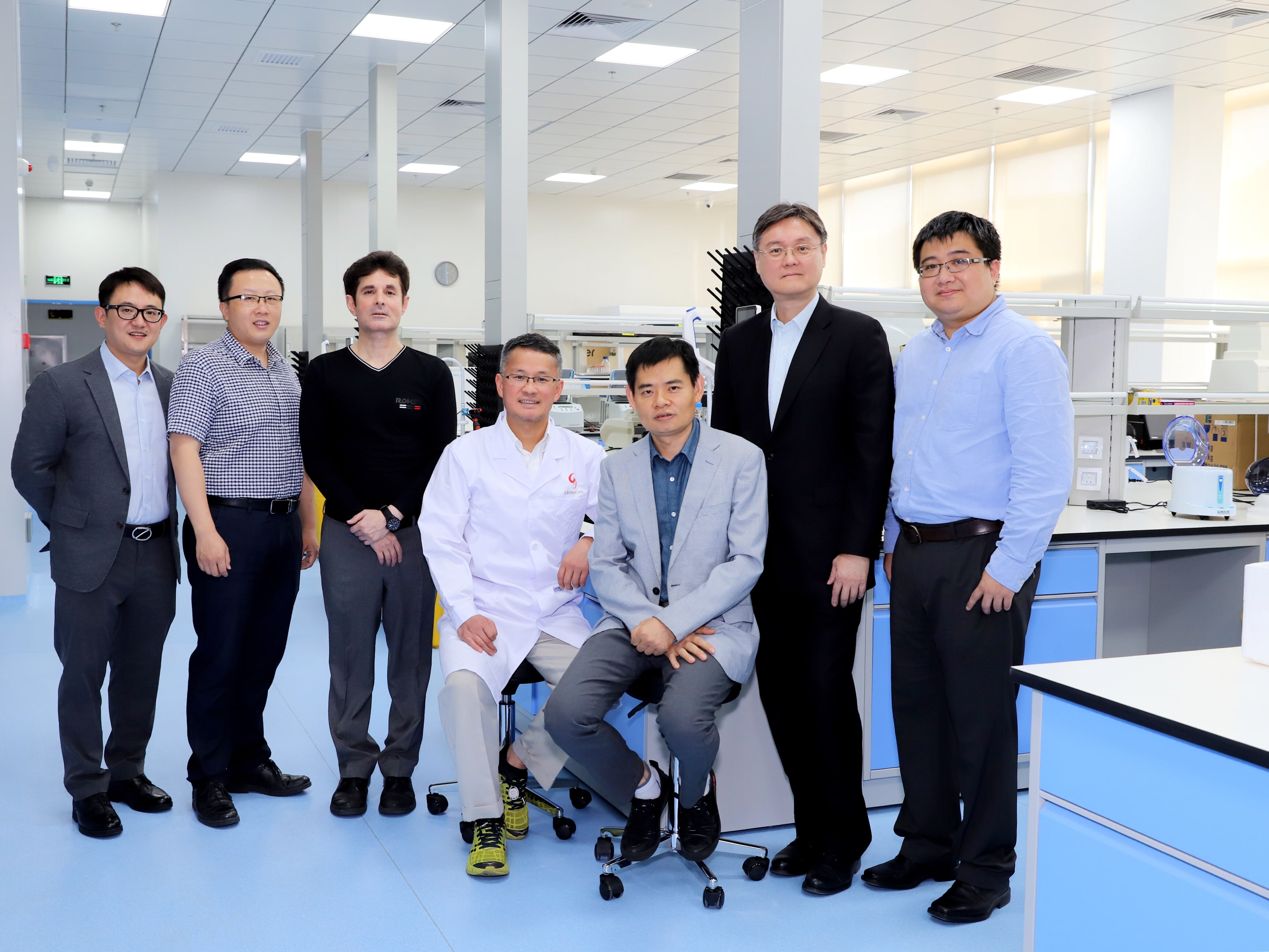
Professor Guangjin Pan, Professor Duanqing Pei
Microbiome
Microbiota I-Center (MagIC)
OUR TEAM
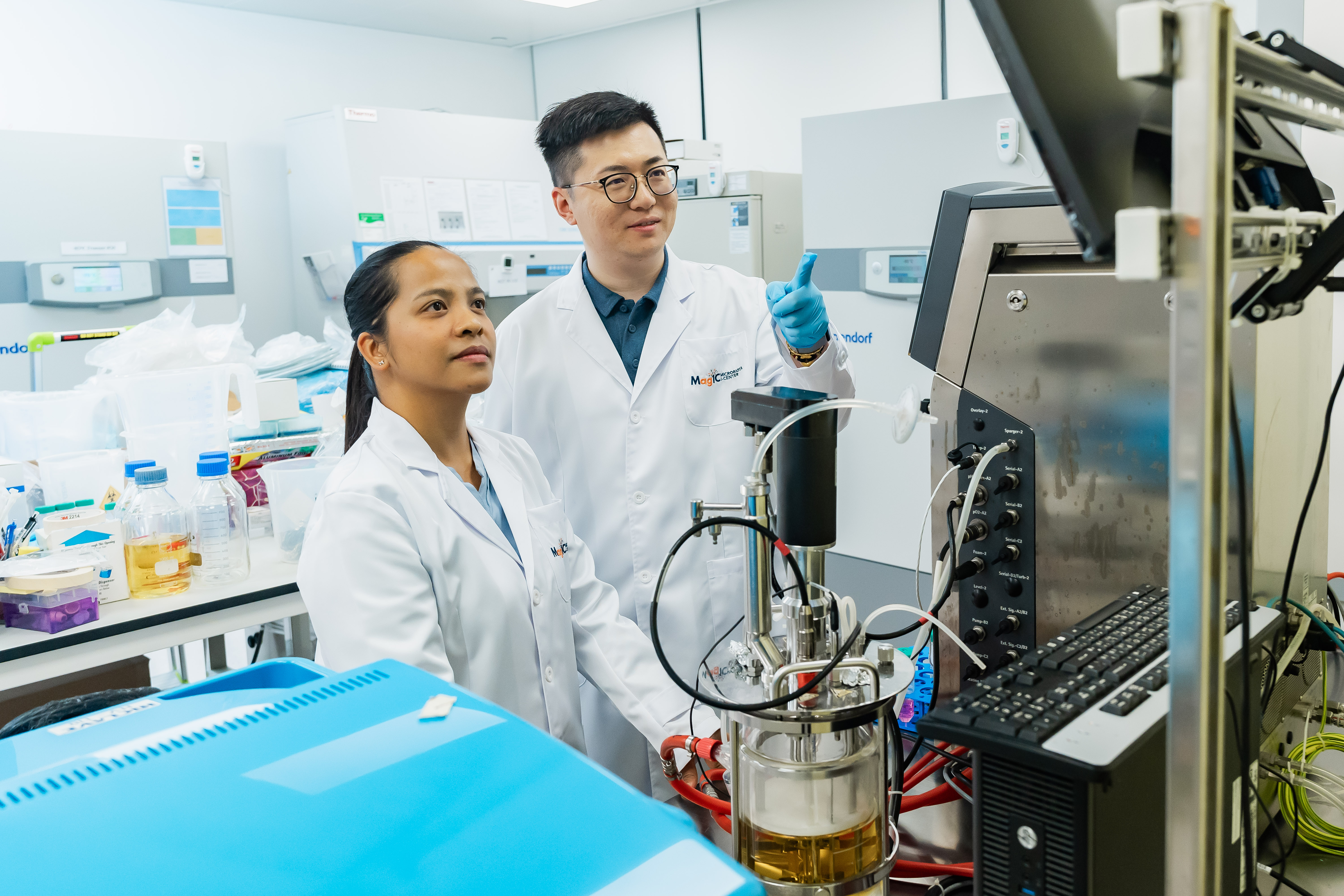
Professor Siew C. Ng, Professor Francis Chan
Stem Cell
Centre for Translational Stem Cell Biology
OUR TEAM
Professor Pengtao Liu, CTSCB